COMPLETE GUIDE
Extensions In Construction
Planning and Permissions
Before starting an extension project, it’s crucial to understand local building regulations and planning permissions. In many areas, certain extensions fall under permitted development rights, but larger or more complex projects may require full planning approval.
Design Considerations
A successful extension must be well-integrated with the existing structure in both design and materials. Factors such as natural lighting, rooflines, access points, and aesthetic consistency are key to maintaining harmony with the original building.
Construction Process
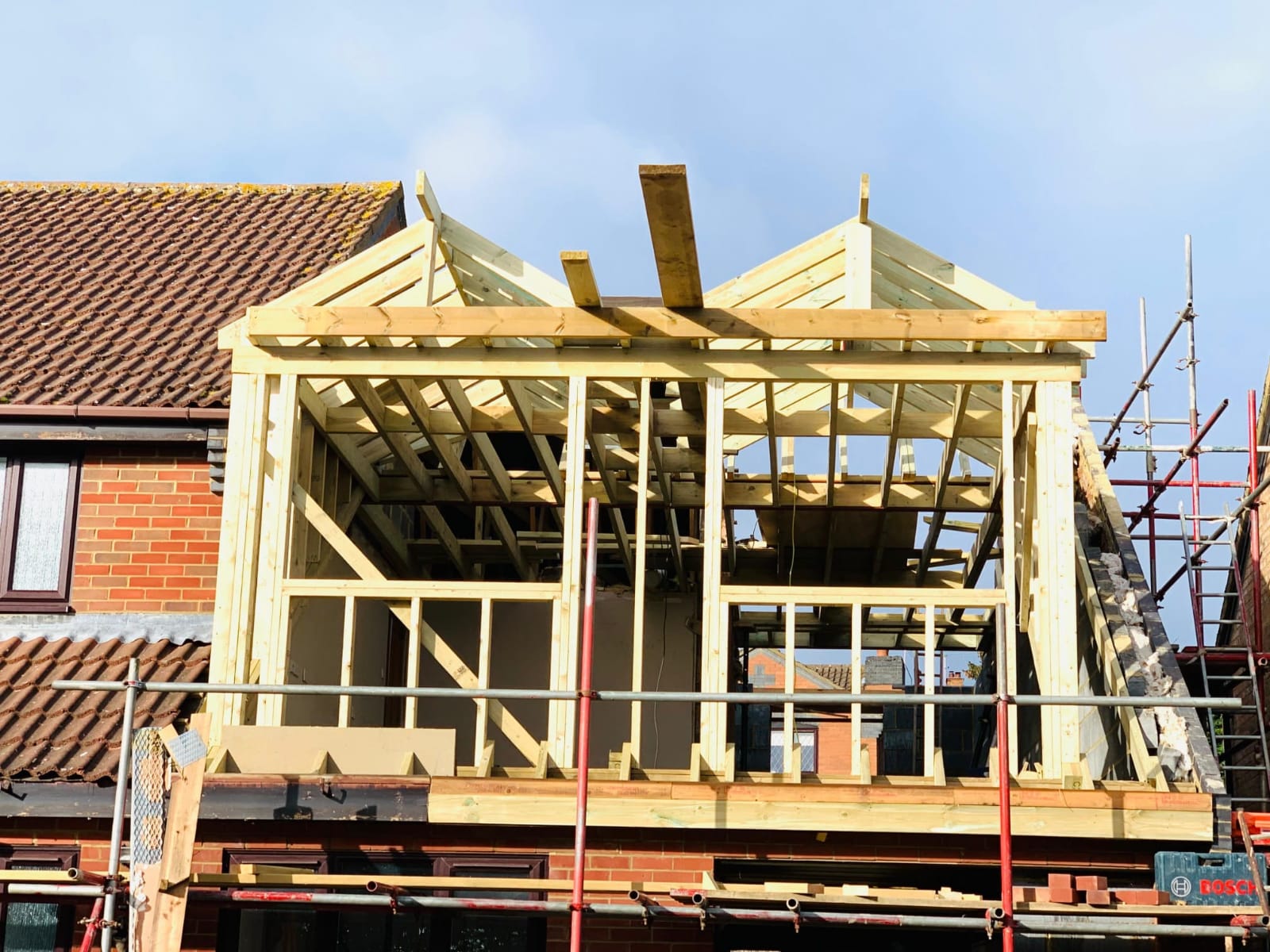
The construction process for extensions typically involves site preparation, foundation work, structural framing, utility connections, and interior finishes. Depending on the complexity, the project may take several weeks to months.
Benefits of Building Extensions
For homeowners, this could mean a new kitchen, bedroom, or office. For businesses, extensions can support growth without the cost of moving. Overall, they’re a cost-effective solution to expanding space while adding long-term value.